 © Jane Wynyard
About Save the Elephants
Save the Elephants was founded in 1993 by Scottish zoologist Iain Douglas-Hamilton, whose fascination with elephants had already spanned nearly three decades. Having revolutionised elephant research in the 1960s through his pioneering doctoral studies in Lake Manyara National Park, and having watched with alarm as the ivory trade decimated populations across the continent through the 1970s and ’80s, Iain set out to build an organisation dedicated to securing a future for the species he had spent his life studying. What began as a small research initiative has grown into a registered charity headquartered in Nairobi, with its principal research station in Samburu National Reserve in northern Kenya and another in Tsavo.
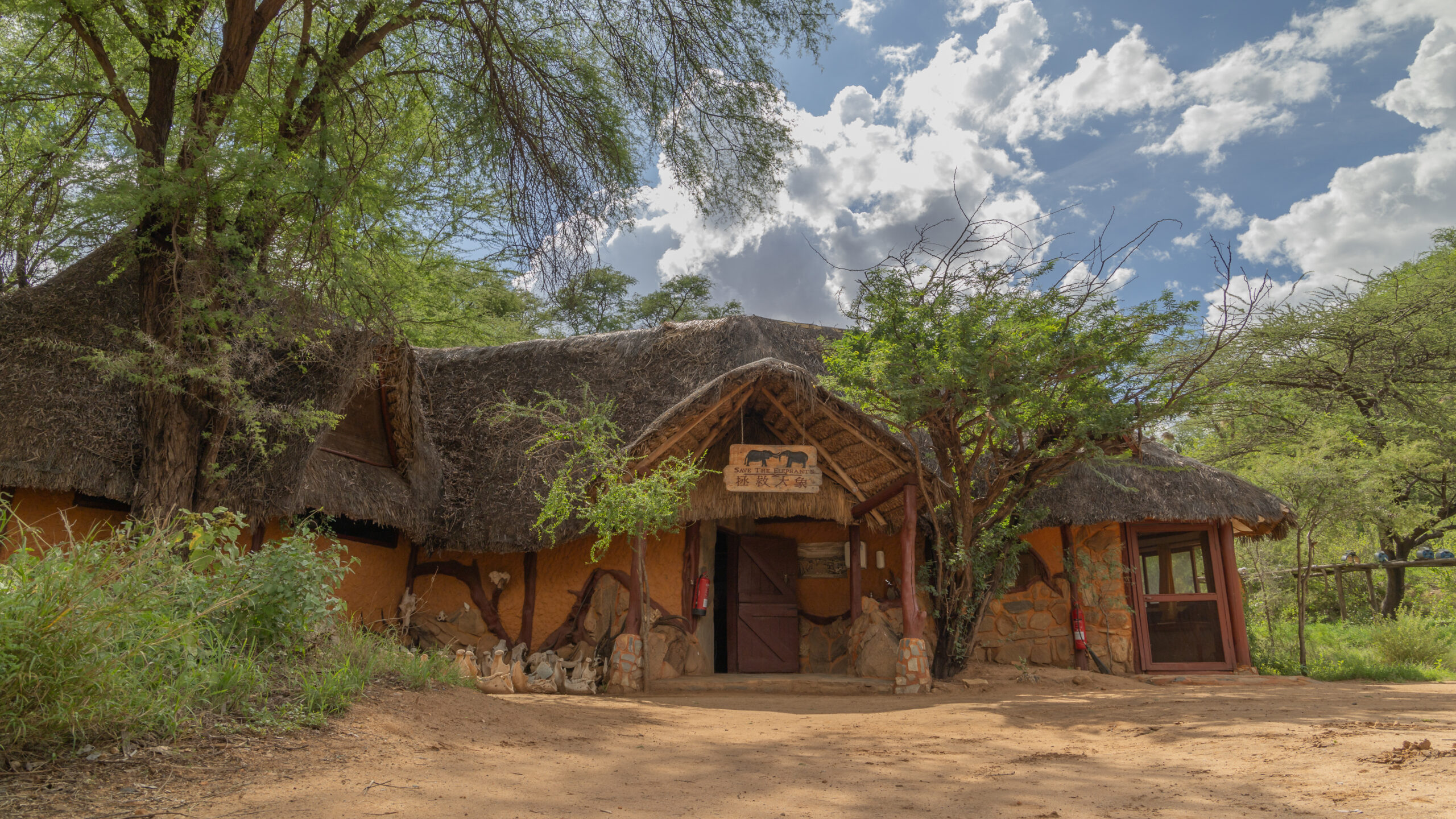
STE’s mission has been to secure a future for elephants and sustain the beauty and ecological integrity of the places they live, to promote humanity’s delight in their intelligence and the diversity of their world, and to develop a tolerant relationship between the two species. Three decades later, the elephants of Samburu are now one of the best-studied populations in the world, with detailed histories of almost 1,000 individuals. That depth of data has done more than satisfy scientific curiosity; it has allowed researchers to understand, with real precision, the impact of the ivory poaching crisis on elephant populations across Africa.
Much of that understanding has come through technology STE helped pioneer. As early pioneers in radio and GPS tracking of elephants, the organisation set out to understand ecosystems from an elephant’s perspective, rather than simply from the outside looking in. Real-time information on elephant movements has proven a powerful tool in protecting herds from poachers, while the long-term monitoring data gathered over decades now informs landscape planning across the region, ensuring elephants are accounted for as human development continues to reshape the land they depend on.
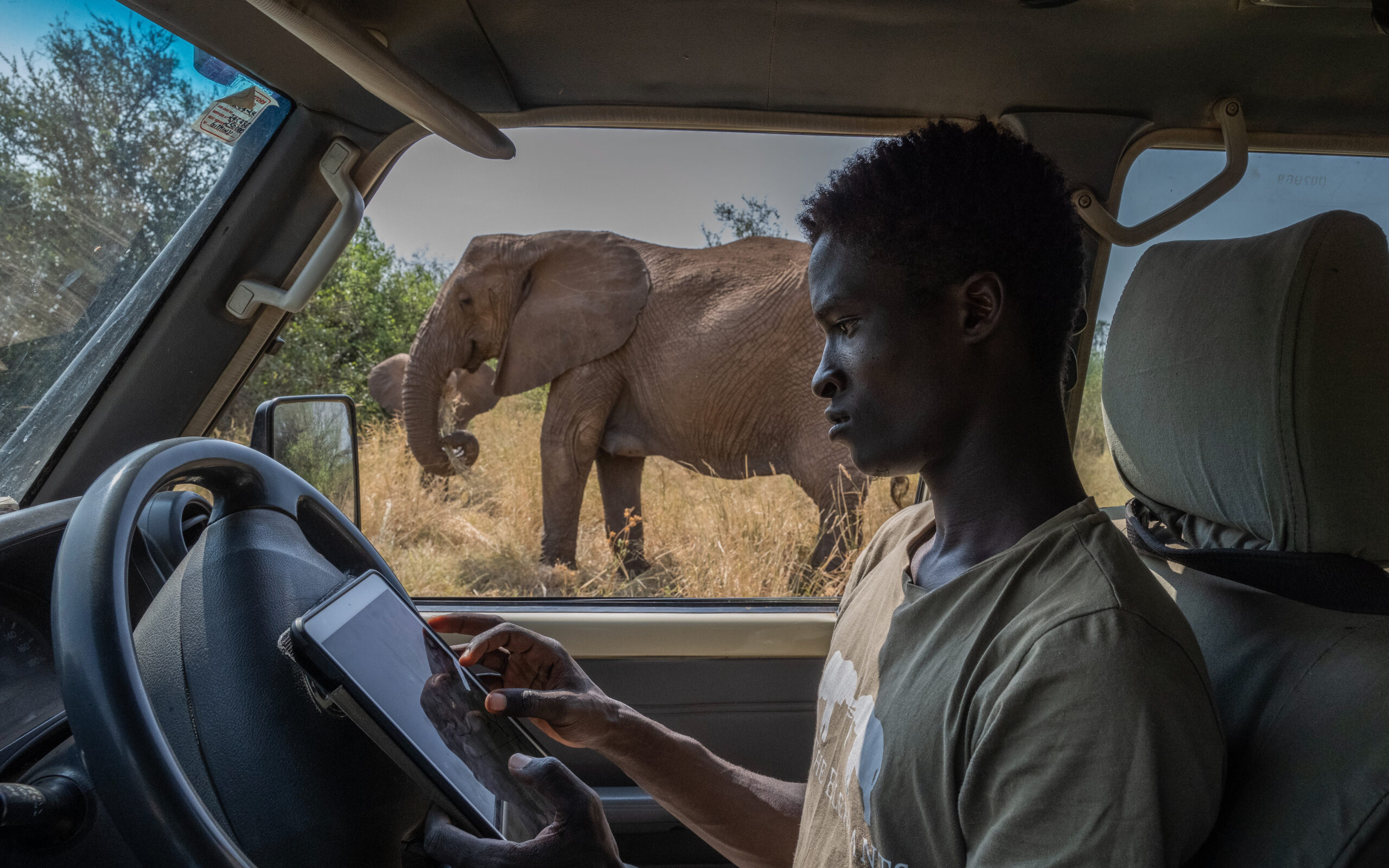
But the ivory poaching crisis was never a problem any single organisation, or even a single nation, could solve alone. In 2013, STE launched the Elephant Crisis Fund (ECF), run jointly with the Wildlife Conservation Network, to fuel a growing coalition of organisations working to stop the killing, stop the trafficking, and end the demand for ivory. In the years since, the ECF has funded 120 partners conducting 559 projects across 44 countries in Africa and Asia – with 100% of funds raised reaching the field.
Today, Save the Elephants’ work spans the full spectrum from high-tech to low-tech, and from science to community. Cutting-edge tracking technology continues to shape landscape planning, while simple, low-tech tools like beehive fences give communities living alongside elephants both protection from crop-raiding and a source of income – turning what was once a source of conflict into a source of coexistence. Education and outreach programmes carry these research insights back to the local communities who are, in every sense, the true custodians of this rich heritage.
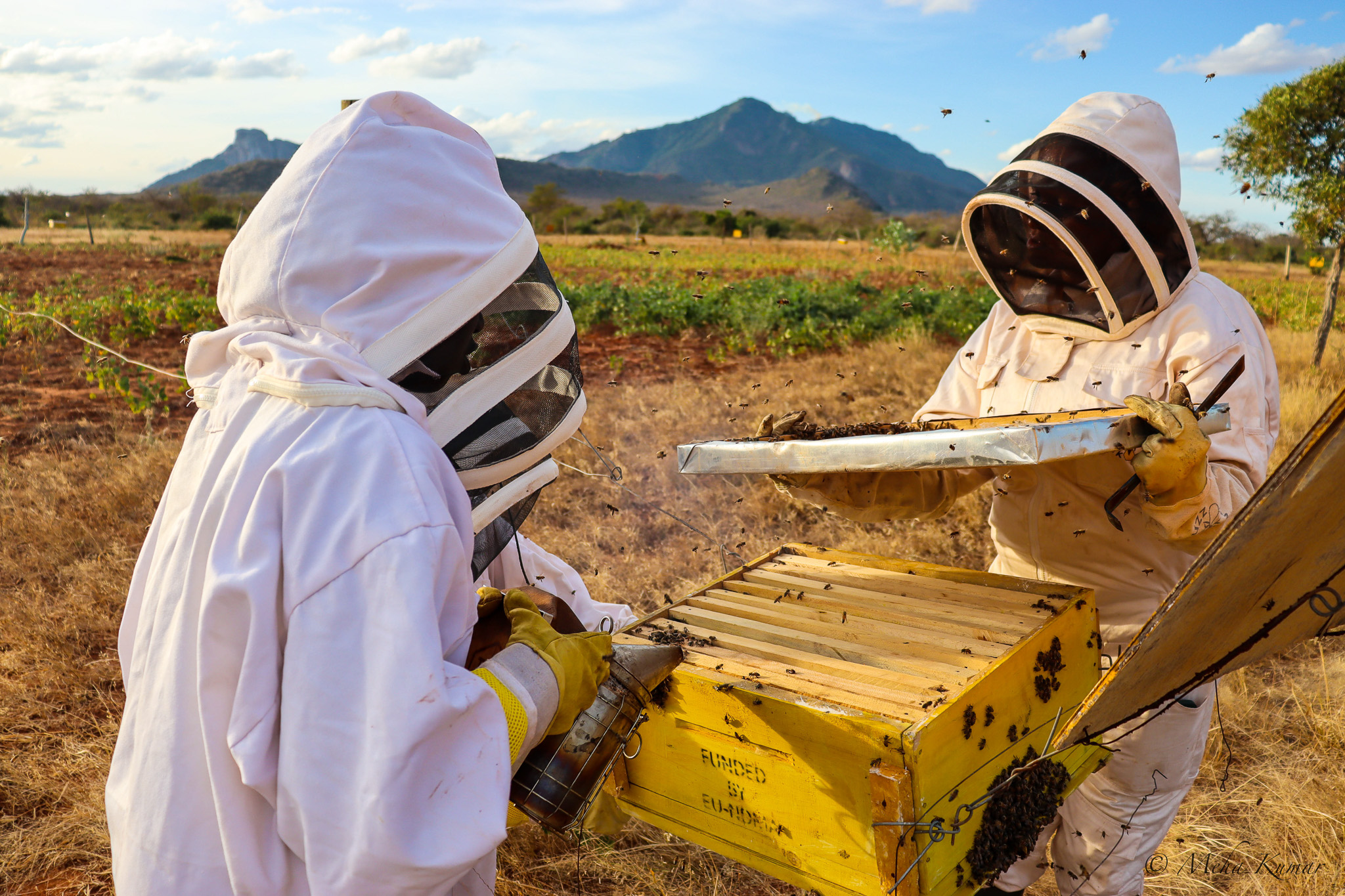
Through it all, the mission set out in 1993 has remained the same: a future for elephants, secured through science, storytelling and an unwavering commitment to the people and places that hold their fate in the balance.