

Featured
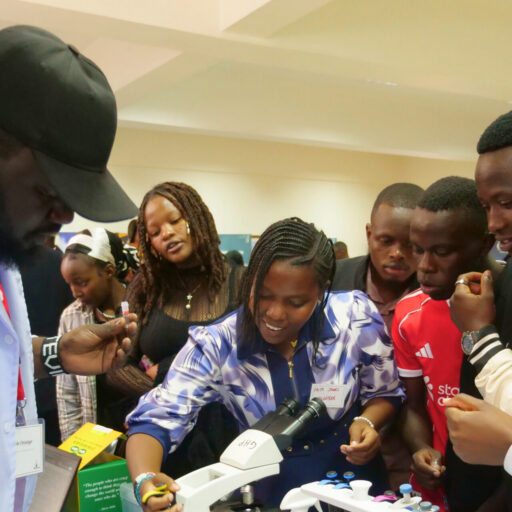
Turning uncertainty into purpose
When Yvonne Seline Ekesa received her university admission letter to study Conservation Biology at Kenyatta University, her first reaction… confusion.

Featured
When Yvonne Seline Ekesa received her university admission letter to study Conservation Biology at Kenyatta University, her first reaction… confusion.
Featured
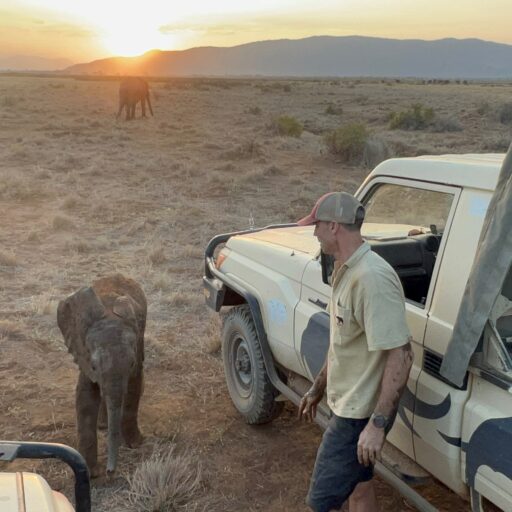
On the morning of February 11, 2026, our team at Save the Elephants received an urgent call from Elephant Bedroom Camp (EBC) in Samburu National Reserve.

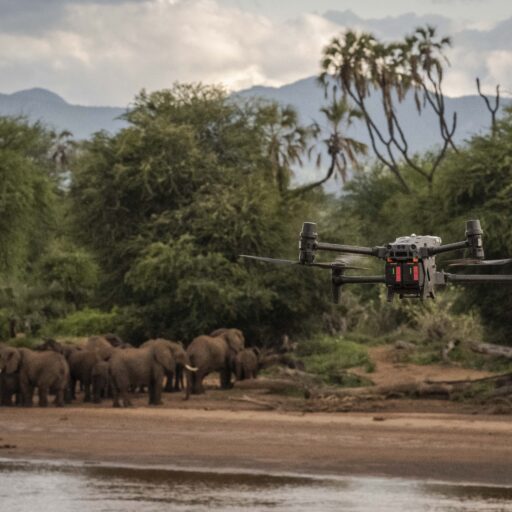
A new study by Save the Elephants (STE) and the University of Oxford shows that drones, when flown high and carefully, can be powerful and non-invasive tools for monitoring wild elephant families.
As it turns out, even giants need their rest. For years, scientists assumed wild elephants barely slept.

Naisula in Samburu National Reserve earlier this year © Meha Kumar/Save the Elephants In December 2023, Naisula, the tracked matriarch of the Samburu Ladies, led her herd...

The tuskless male elephant from the Hawaiian Islands family in Kenya’s Samburu National Reserve. © Olympia Brule/Save the Elephants Save the Elephants (STE) researchers...

On the edge of Kenya’s vast Tsavo West National Park lies Lake Jipe – one of the country’s most important wetlands and home to hippos, crocodiles and unique birdlife. But beyond its tranquil setting, this freshwater lake also holds a remarkable secret...

Elephant dung, collected by Save the Elephants (STE) researchers almost two decades ago, has survived the test of time to play a key role in valuable new research about the intricacies of elephant diets. In 2001 study author Thure Cerling and...

Wildlife, including elephants, are facing threats to their natural habitats as human populations expand and infrastructure development accelerates. As a result, there is increased pressure on people, wildlife and livestock to share the landscape and avail

A wild African female elephant who survived being shot five times by poachers and delighted scientists by giving birth again nine years later, has died in northern Kenya in the middle of the drought.

The better we understand elephants, the more we can find ways to help them. Work recently published by Save the Elephants researchers gives a glimpse not only of how we are deepening our insight into the world of elephants and how this can help...
FEATURED

Updated 30, July 2025 A vast expanse of semi-arid land in northern Kenya - home to an estimated 7,500 elephants, may be acting as an early warning system for threatened elephant populations across Africa. Data on elephant mortality from the...